

Wild roses and a quick update on art

It’s Valentines Day this Friday and it looks like we will be building more hills made of snow in our very flat yard and sledding at dusk again once again.
Piles of icy socks by the door
Winter coats and snow pants in heaps
Gloves laying on top of the heat registers drying out
Work days will be over-takin with Lego building, books, snuggles and snowmen (maybe snowcat) building. If the weather does what it’s looking like right now the only Valentines parties my kids will be having will be here at home.
I don’t know that I'll be making much progress on this piece this week but I’m planning to make the most of what’s left of my time today.
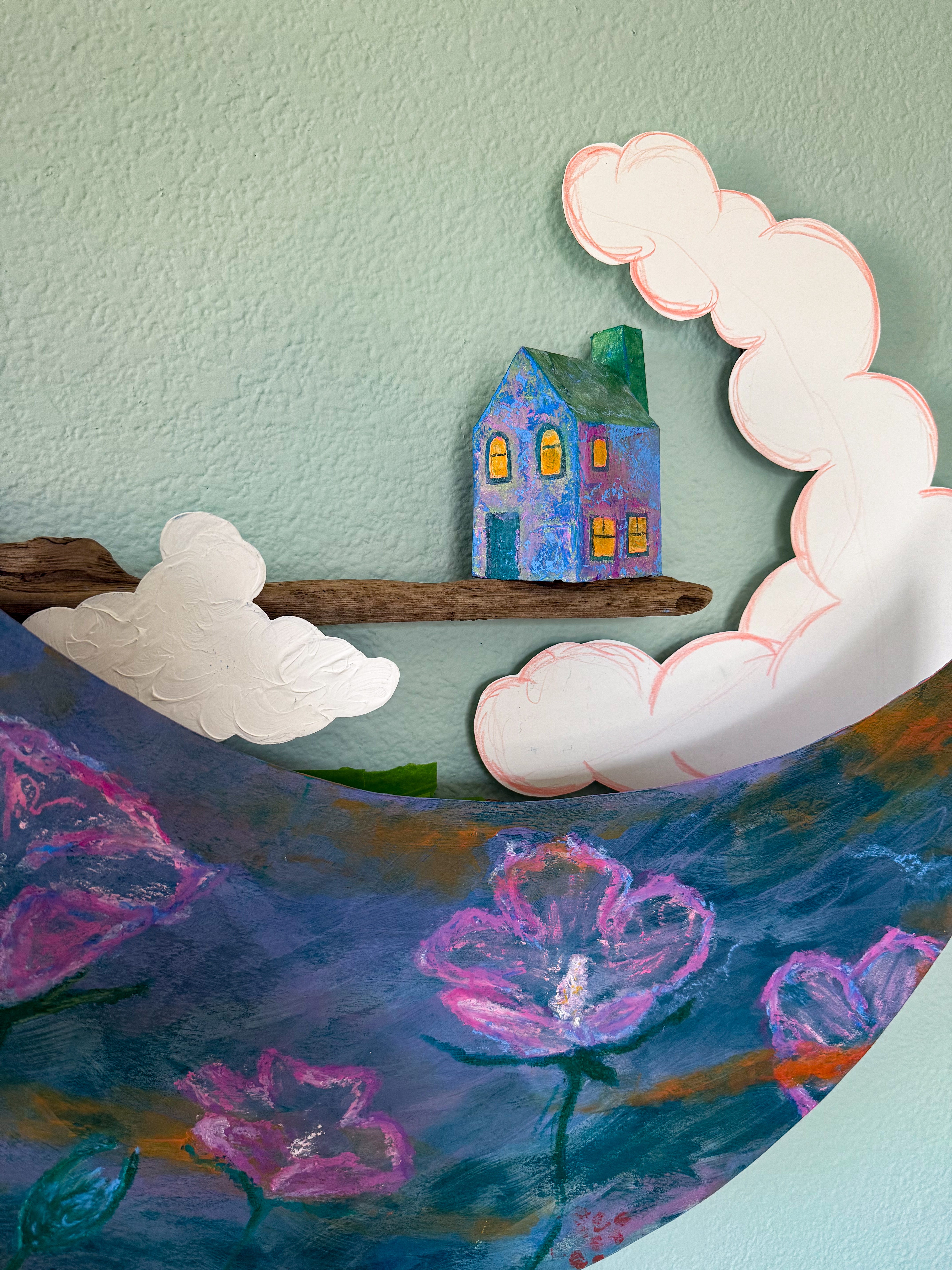

As promised let’s dive into some Wild Roses
Like I said, it is Valentines week after all
So, when you think of roses you probably picture something like this in your mind:
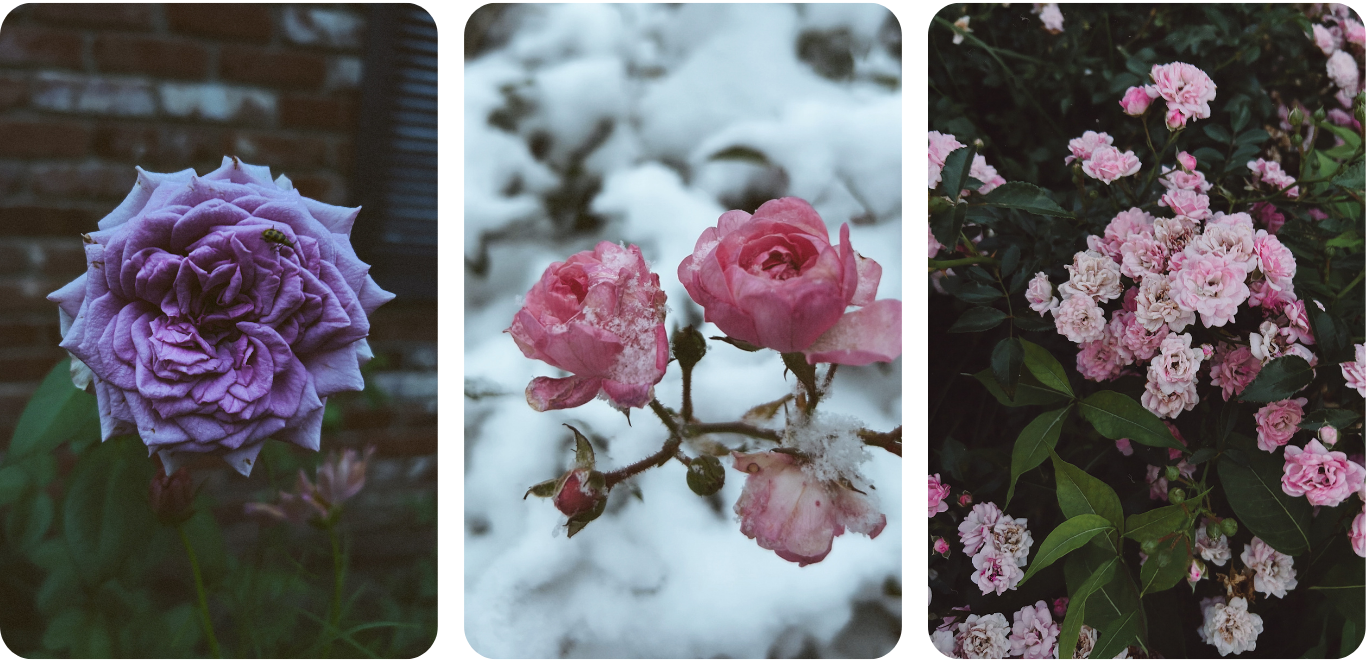
And they’re just beautiful… lush and vibrant and loaded with handfuls of luxurious petals
…and if you’re anything like me, you sort of just assumed that one of the trademarks of a rose is having a boatload of fluffy, beautiful petals.
But it’s not. (insert gasp)
You might also be under the impression like I was that roses don’t really spread, soooo they’re an unlikely candidate to become an invasive plant but maybe you already knew that’s not actually the case.
In fact, as it turns out the multiflora rose has been deemed a noxious weed in multiple states as it’s known to crowd out native plants and spread vigorously. At one time it was promoted for being a good choice for erosion control and as a living fence but over time it’s proven to be incredibly problematic.
It’s only in the last few years that I’ve started to learn more about roses and while there are approximately 150 types of rose species, the majority are native to Asia.
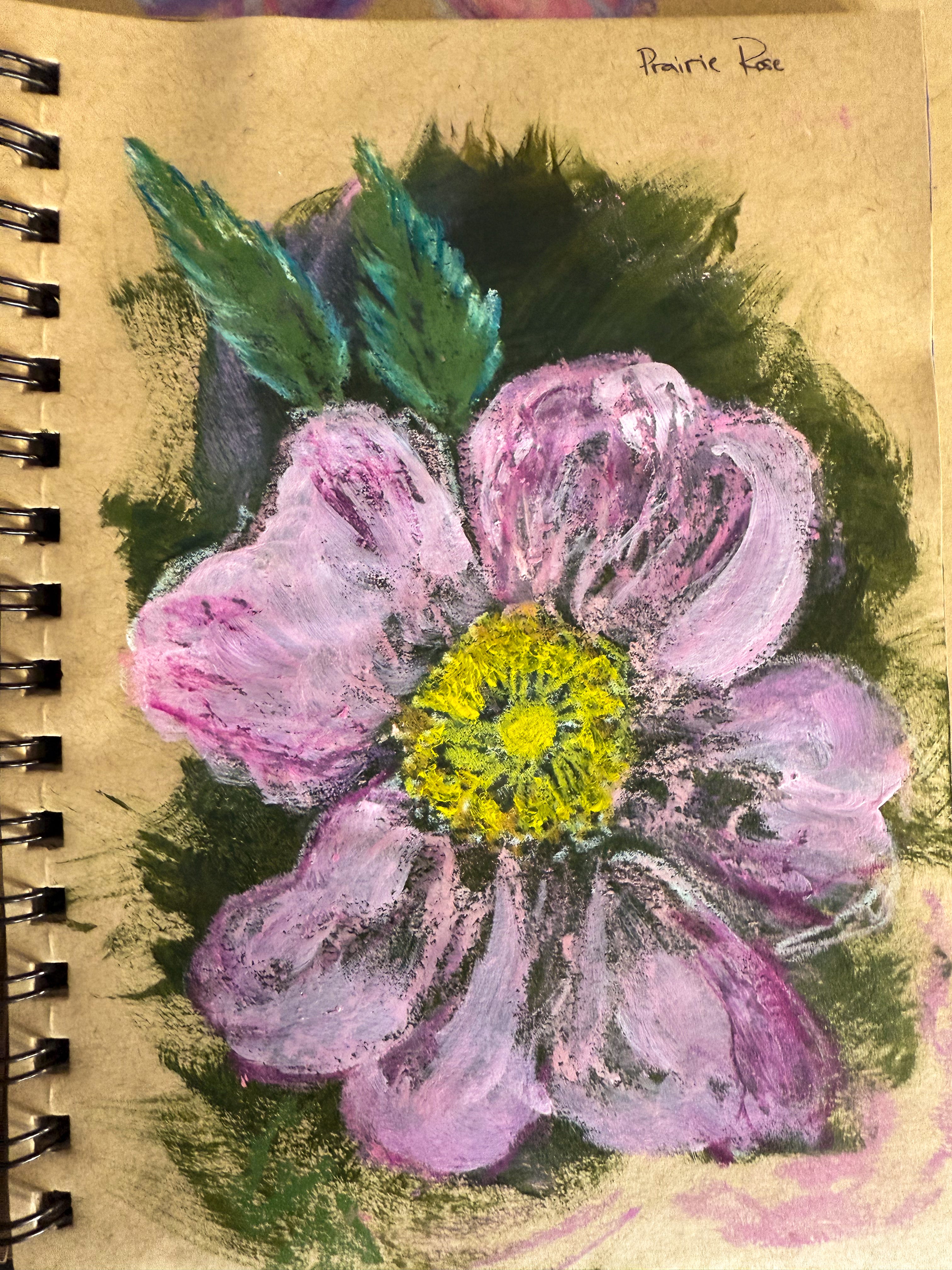
Only around twenty are native here to the U.S… and not a one has an abundance of petals. In fact nearly all of them have exactly five petals.
The Prairie Wild Rose (Rosa Arkansana) is one such native. It’s native range spreads from Texas all the way up to North Dakota and includes, Oklahoma, New Mexico, Missouri, Kansas, Colorado, Nebraska, Iowa, Illinois, Wyoming, Montana, South Dakota, North Dakota, Indiana, Wisconsin, Michigan and Minnesota.
It spreads by rhizomes so should you decide to plant it be mindful about where it goes. It’s exceptionally drought and fire resistant and actually fared well in the 1930’s during the American “Dust Bowl”.
The flowers themselves can bloom white or be bright pink and are about 1.5-2 inches in diameter. It will do best in full sun.
As a bonus, it provides nesting materials and structure to native bees. Bumblebees in particular. Added bonus the rosehips provide food to native birds through fall and winter.
In honor of Valentines, I’ll leave you with this little poem about Wild Roses.
"The Wild Rose" by Wendell Berry
Sometimes hidden from me
in daily custom and in trust,
so that I live by you unaware
as by the beating of my heart,
suddenly you flare in my sight,
a wild rose blooming at the edge
of thicket, grace and light
where yesterday was only shade,
and once more I am blessed, choosing
again what I chose before.
Now, I’m off to get my hands dirty.
More to come, xoxo,
Bec
If you have a native flower you’d like me to talk about drop a comment and I’ll do my best to make it happen.